

Why Is Chocolate a Christmas Favourite?
Every December, we collectively agree that a mug of hot chocolate is non-negotiable. Christmas market? Hot chocolate. Freezing walk? Hot chocolate. Sofa, blanket, vaguely festive film? You know the drill.
But why has chocolate become such a festive favourite? The answer begins around 3,500 years ago, with a bitter, spicy drink considered sacred. Long before Christmas markets and marshmallows, cacao travelled across continents, evolved through different cultures and picked up a fair bit of sugar, froth and festive cheer.
The Sacred Origins of Drinking Chocolate
Long before marshmallows, the Maya were drinking cacao. Cacao cultivation dates back thousands of years, and the Maya prepared drinks by grinding cacao beans into a paste and mixing it with water and spices. They poured it between two cups to whip up a thick foam. It was bitter, often served cold, and there wasn't a grain of sugar in sight. Cacao also held religious significance, with drinks used in sacred ceremonies and offerings to the gods. Not your average Tuesday treat.
The Aztecs took it to another level. They called their cacao drink xocolatl, and it was associated with power, status and prestige. Cacao was mixed with water, chilli, vanilla and other flavourings to create a bitter, spiced drink. It was valued by rulers and warriors alike, and its preparation and serving could carry great cultural significance. Some things never change: a good drink has always been worth sharing.
Read more about the history of hot chocolate.
Europe gets a sweet tooth
When cacao reached Europe in the 16th century, chocolate initially remained a luxury enjoyed by the wealthy. The Spanish adapted the drink to European tastes, adding sugar and spices such as cinnamon, nutmeg and sugar from the Caribbean. Sugar was the missing ingredient. And unsurprisingly, the elite wanted more.
A 17th-century chocolate text captured the appeal of a warm cup perfectly:
“…the hotter it is drunk, the better it is.”
Antonio Colmenero de Ledesma, Chocolate: or, An Indian Drinke, translated by James Wadsworth, 1652.
In England, chocolate became fashionable during the mid-1600s. Chocolate houses opened across London, where wealthy gents gathered over many a cup. Explorer Hans Sloane brought a Jamaican recipe home, mixing chocolate with hot milk and cinnamon. It was an instant hit. By the 18th century, chocolate drinks were increasingly prepared with milk, creating a richer, creamier experience.
For most of chocolate's early history, it was something you drank rather than ate. The 19th century changed that. Advances and development helped form the production of chocolate bars, making chocolate more accessible. It became sweeter, easier to enjoy and increasingly popular with adults and children alike.
How Chocolate Became a Christmas Favourite
As chocolate became more widely available, it found its way into celebrations, seasonal treats and gift-giving traditions. Chocolate boxes became popular presents, while chocolate advent calendars eventually gave people a sweet way to count down to Christmas.
Chocolate's appeal was about more than taste. It became a thoughtful gift, a little luxury and a way to share something special with the people around us. Even the chocolate Yule log has its roots in an older winter tradition: burning a large log during the festive season. The modern dessert turns that centuries-old custom into something considerably more delicious.
Hot chocolate developed its own place in winter traditions. A warm, creamy drink was a natural fit for colder weather, offering comfort during long evenings and outdoor celebrations. Across Europe, chocolate drinks became part of everyday life, while seasonal markets helped turn a steaming cup into a familiar winter treat.
In Mexico, hot chocolate is enjoyed alongside traditional festive foods and celebrations, including the Christmas season. In the UK, it's practically the unofficial drink of Christmas markets, winter walks and chilly evenings, usually topped with whipped cream, marshmallows or grated chocolate.
Winter brings holidays, family gatherings and long nights by the fire, making hot chocolate a natural companion. There's something about the contrast between the cold outside and a warm mug in your hands that makes the experience feel especially comforting.
Hot chocolate embodies the spirit of Christmas because it's never just about the taste. It's the ritual, the familiar aromas, the first comforting sip and the people you share it with. Like many festive traditions, it brings together nostalgia, indulgence and a little everyday magic. It's basically a Christmas essential.
Find your festive cup
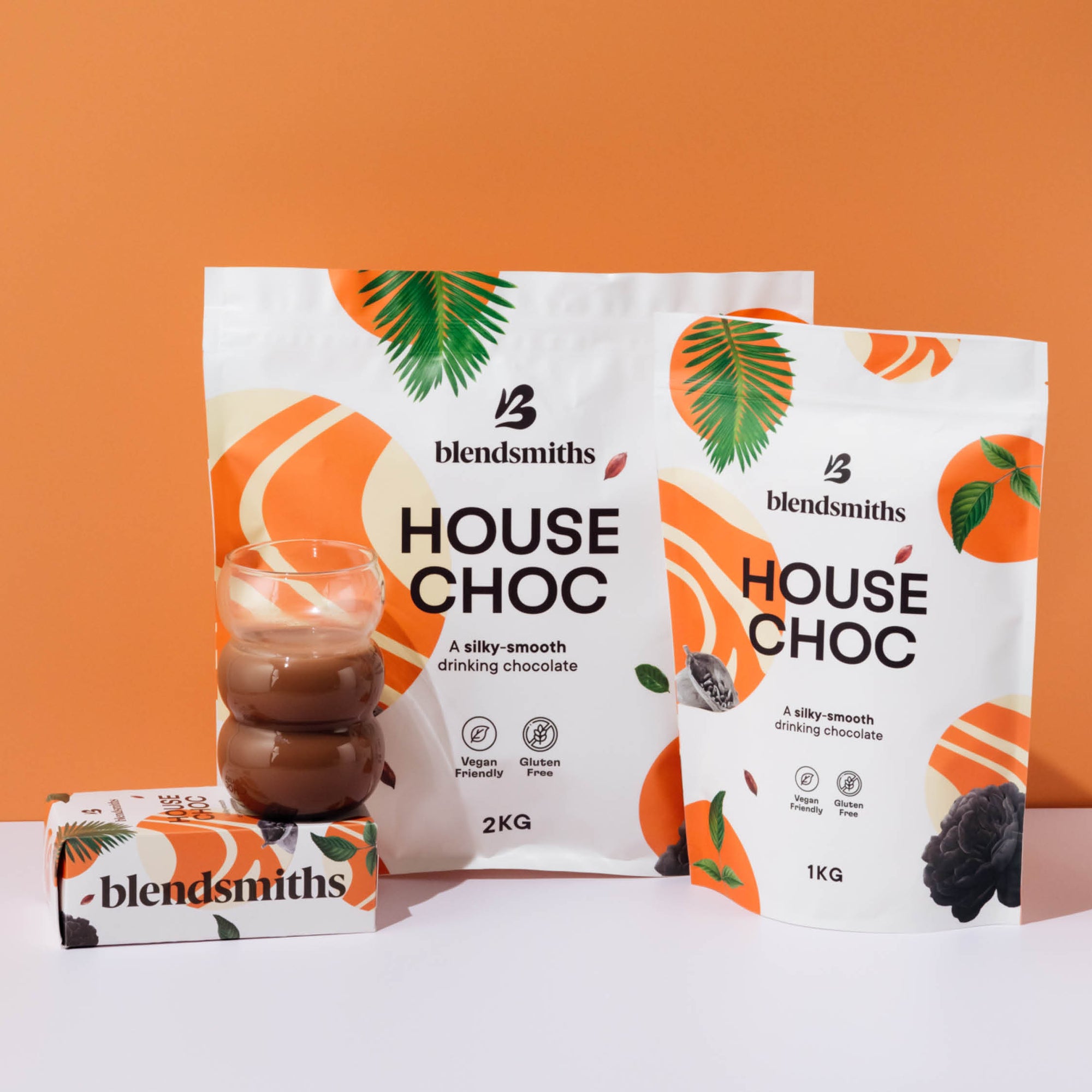
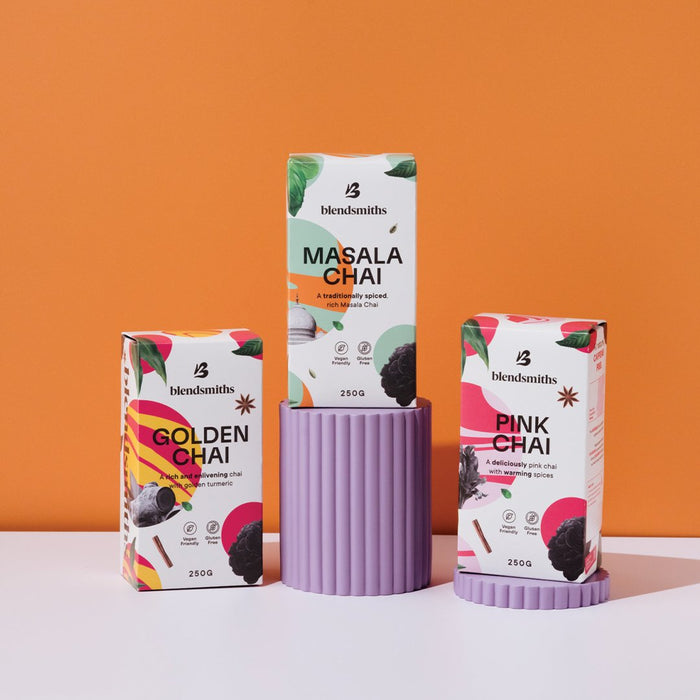
Today, hot chocolate comes in countless variations, with flavours to suit every taste. At Blendsmiths, our collection takes inspiration from classic chocolate traditions while bringing something different to every cup.
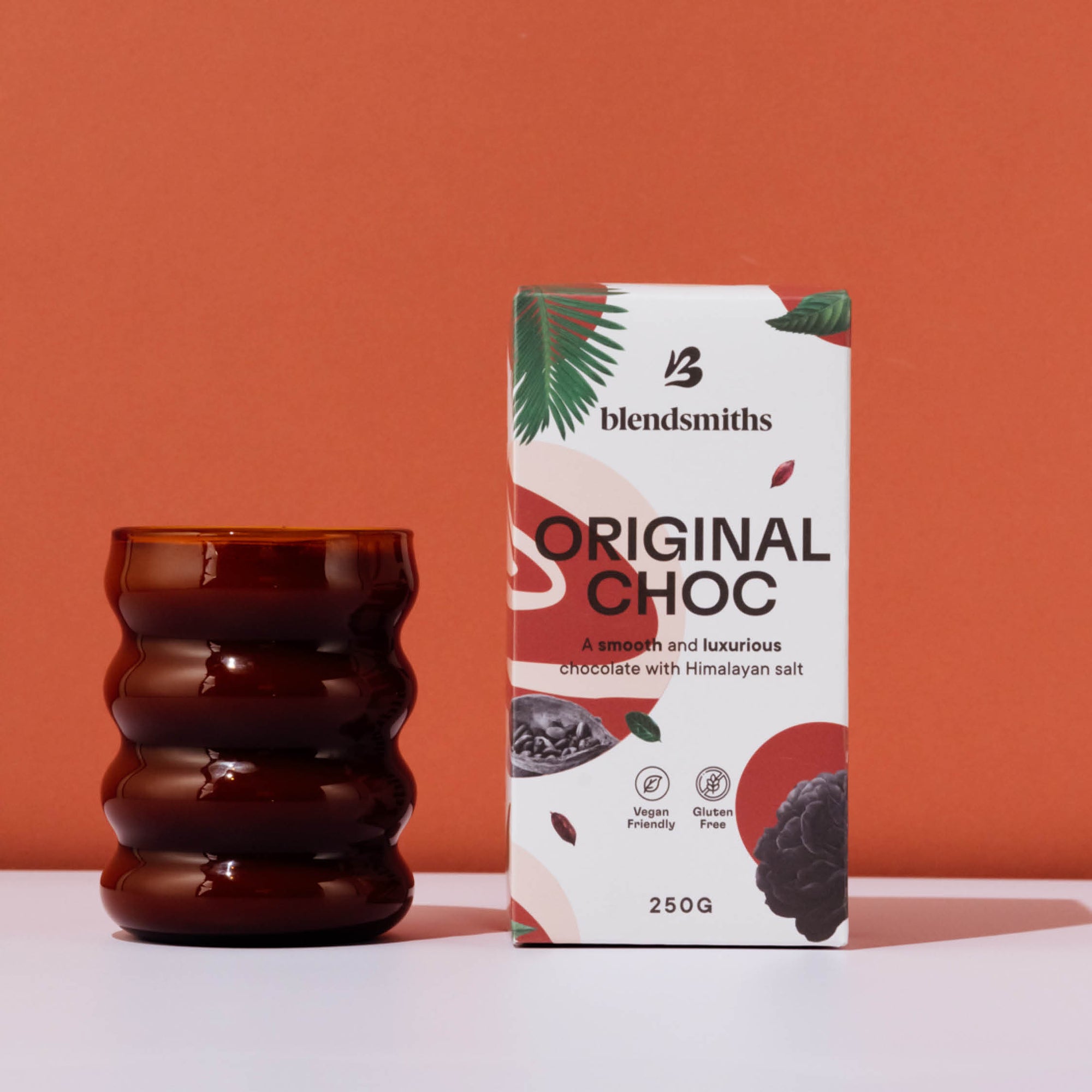
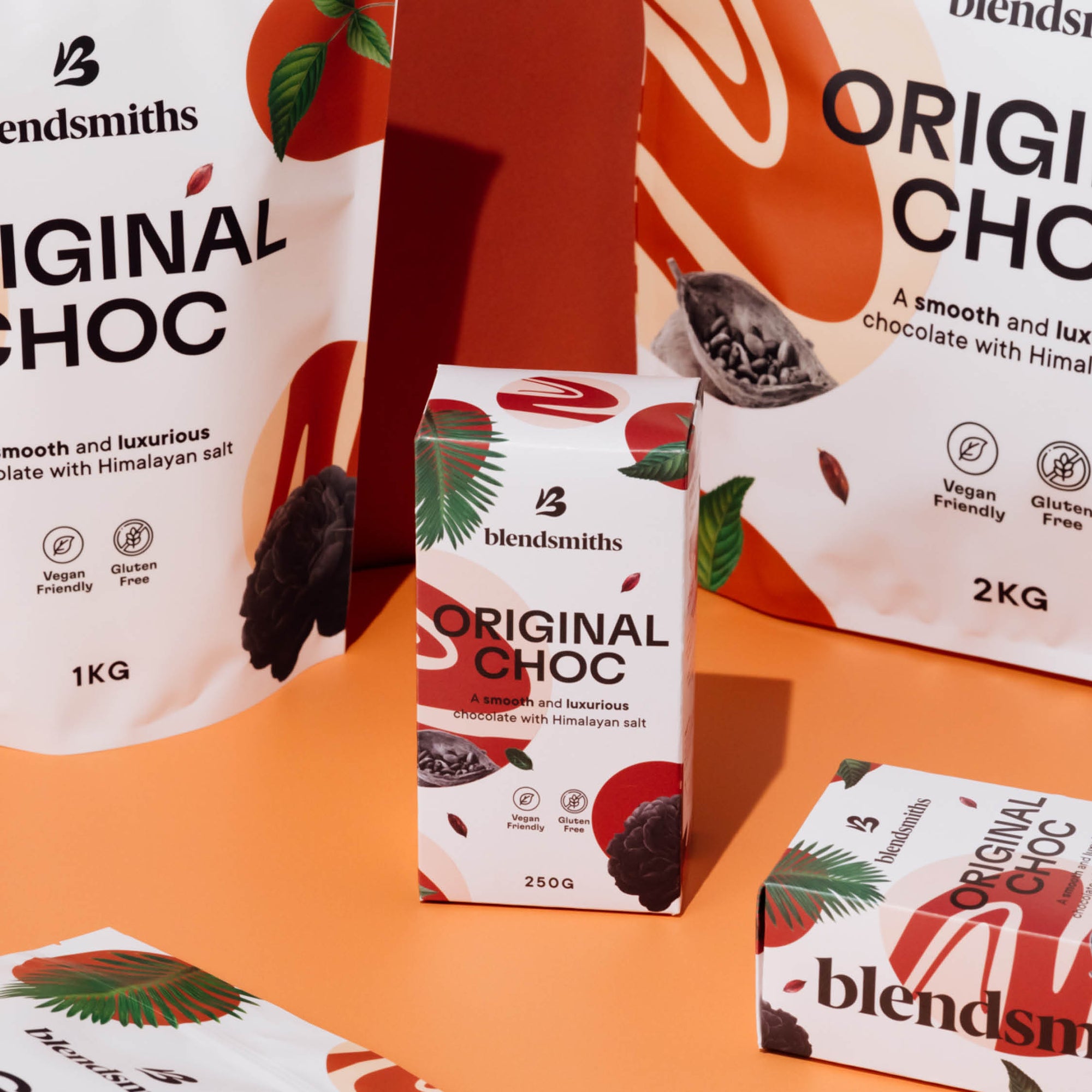
Dark is for those who love a rich, cocoa-forward flavour, balanced with a touch of coconut sugar and Himalayan salt. White offers a creamier, sweeter alternative, crafted with Peruvian cacao butter and vanilla. For the classics, House and OG deliver familiar chocolate comfort, while Chilli and Salted bring a little more character to your cup. Or try them all with the cocoa collection box.
Spiced cacao drinks have a long history, so these bolder flavours are a nod to the traditions that helped make chocolate what it is today. Our blends bring that heritage into the present, with thoughtfully selected ingredients and flavours made for modern drinking chocolate rituals.
So, why not start your own chocolate ritual this Christmas? Explore the Blendsmiths chocolate collection, pick your flavour, mood and mug and enjoy each sip. You are joining thousands of years of very good company and great taste!
FAQs
When was hot chocolate first invented?
Cacao drinks date back thousands of years, with evidence of their use in ancient Mesoamerica. These early drinks were often bitter and spiced rather than sweet like modern hot chocolate.
Why do we drink hot chocolate at Christmas?
Hot chocolate is associated with Christmas because it offers warmth and comfort during winter and has become part of seasonal traditions such as Christmas markets, family gatherings and festive treats.
How did chocolate become a Christmas tradition?
As chocolate became more widely available, it became popular for gifting and festive confectionery. Chocolate advent calendars, seasonal treats and winter hot drinks helped strengthen its association with Christmas.
What chocolate gifts can I buy from Blendsmiths for Christmas?
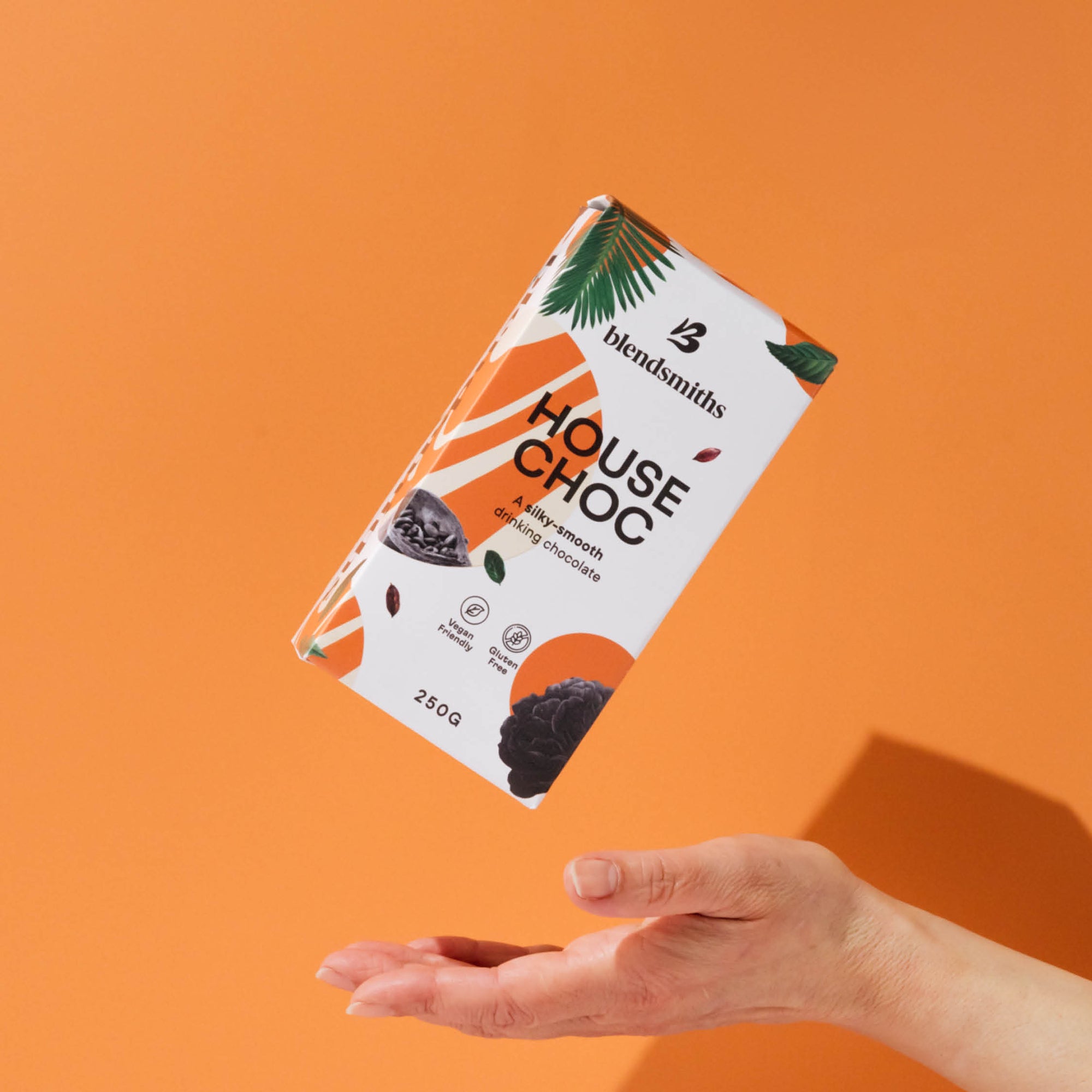
Blendsmiths has something for every chocolate lover this Christmas. Our 250g blends make a thoughtful gift for anyone who loves a cosy cup, while our collection boxes feature single-serve sachets, making them perfect for discovering new flavours, trying the full range or sharing with friends and family.