

Japanese Tea
Japanese Tea
15 products





FAQ
Whether you're a matcha purist or just starting out, we've got you covered.
Our pure teas are nothing but Japanese green tea, ready for you to whisk and make your own. Our blends are gently sweetened and ready to go, so they're the easiest way into matcha: just add milk.
Find your matcha:
Pure:
Ichibancha means "first tea." It comes from the first spring harvest and is our award-winning ceremonial grade matcha. It's zesty and floral, with a fresh, cut-grass finish, and it's best enjoyed the traditional way with water.
Wakaba means "young leaf." It's made from early spring leaves and is our award-winning ceremonial matcha for lattes. It's sweet, nutty and gently umami, with enough depth to shine through milk.
100% Pure Ceremonial Grade Matcha is naturally smooth, vibrant and full of character. It’s perfect for those who like their matcha just as it is, whether enjoyed traditionally or as your daily cup. Packed in a handy resealable tin, it’s easy to keep fresh and always ready to reach for.
Hojicha Pure is green tea roasted before grinding, which gives it a bold, biscuity flavour with lower caffeine and less bitterness than matcha. It's toasty, malty and smooth.
Ready-to-go blends:
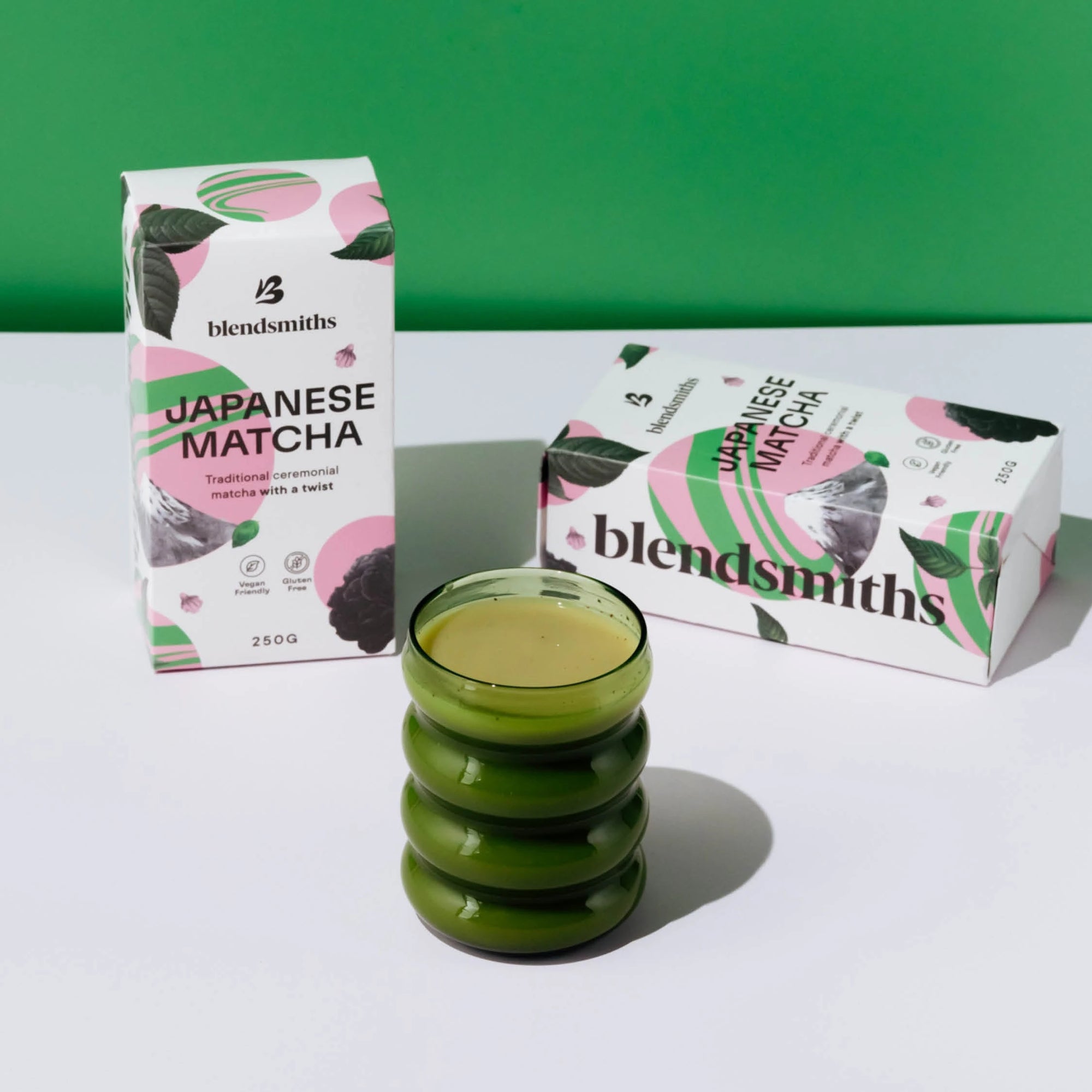
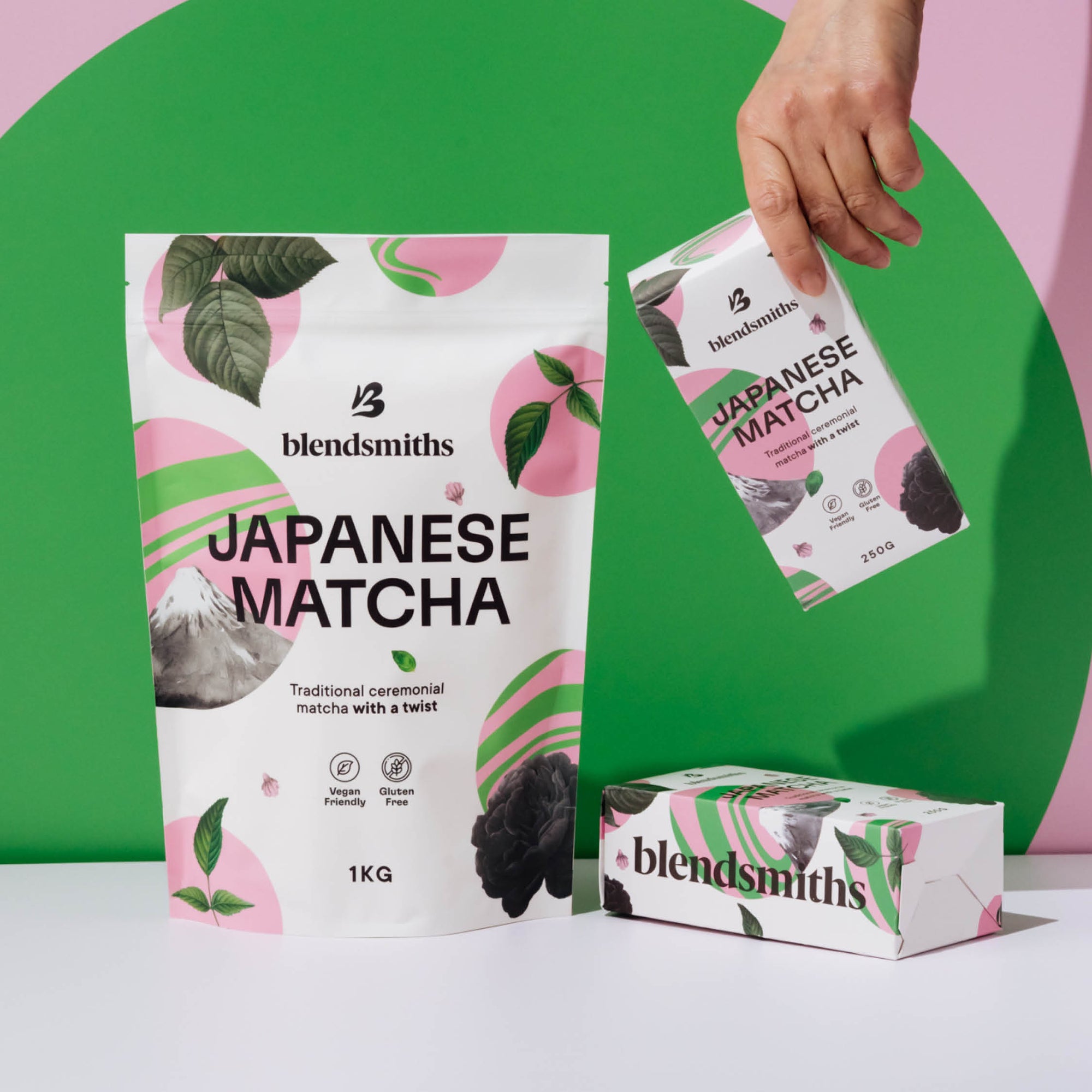
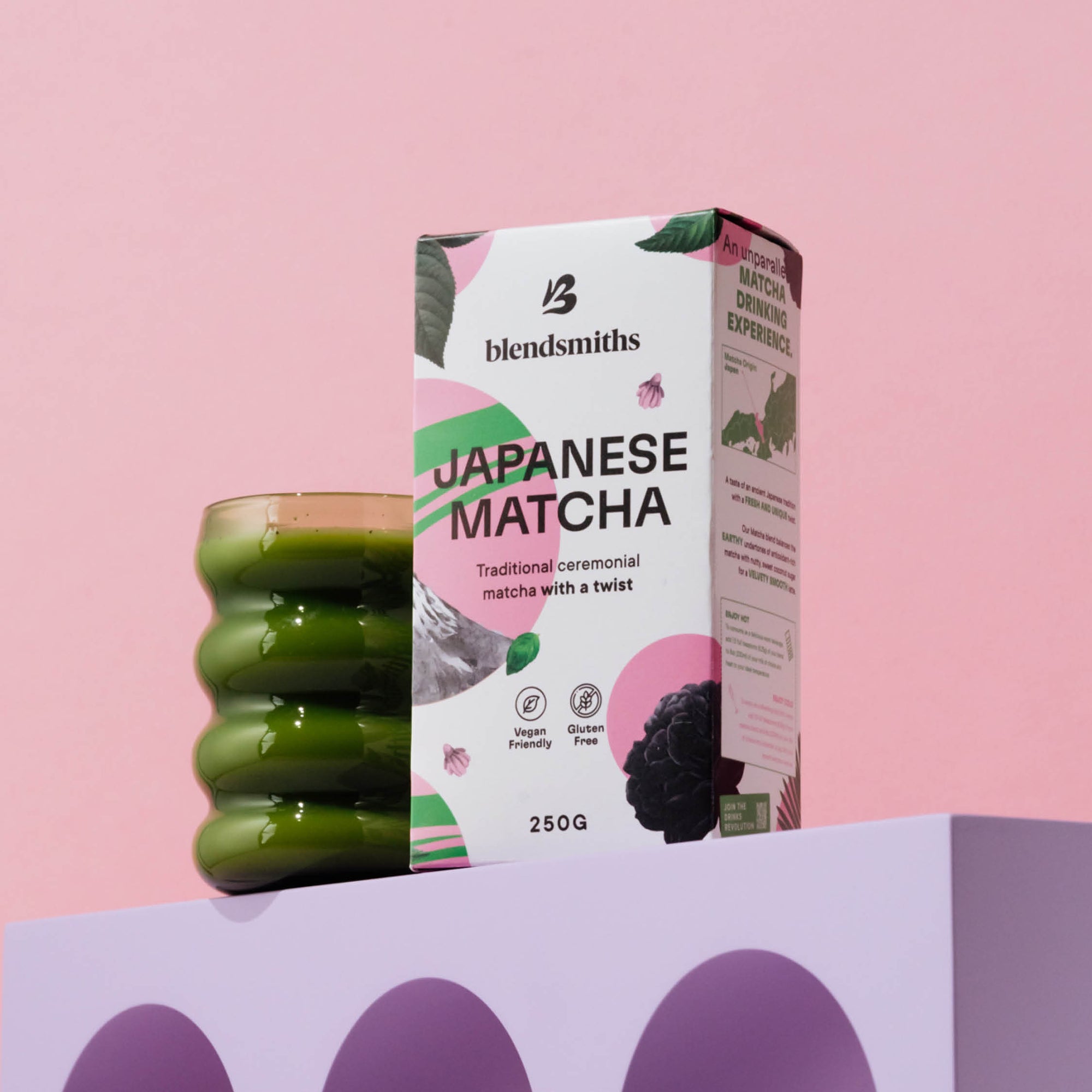
Japanese Matcha is ceremonial matcha blended with coconut sugar and a hint of cinnamon. It's smooth, gently sweet and the perfect introduction to matcha.
Vanilla Matcha is ceremonial matcha with coconut sugar and natural vanilla, making a soft, creamy, mellow latte.
Hojicha Blend is roasted hojicha with coconut sugar, dates and a pinch of Scottish sea salt. It has rich toffee sweetness with a malty depth, like a hug in a mug.
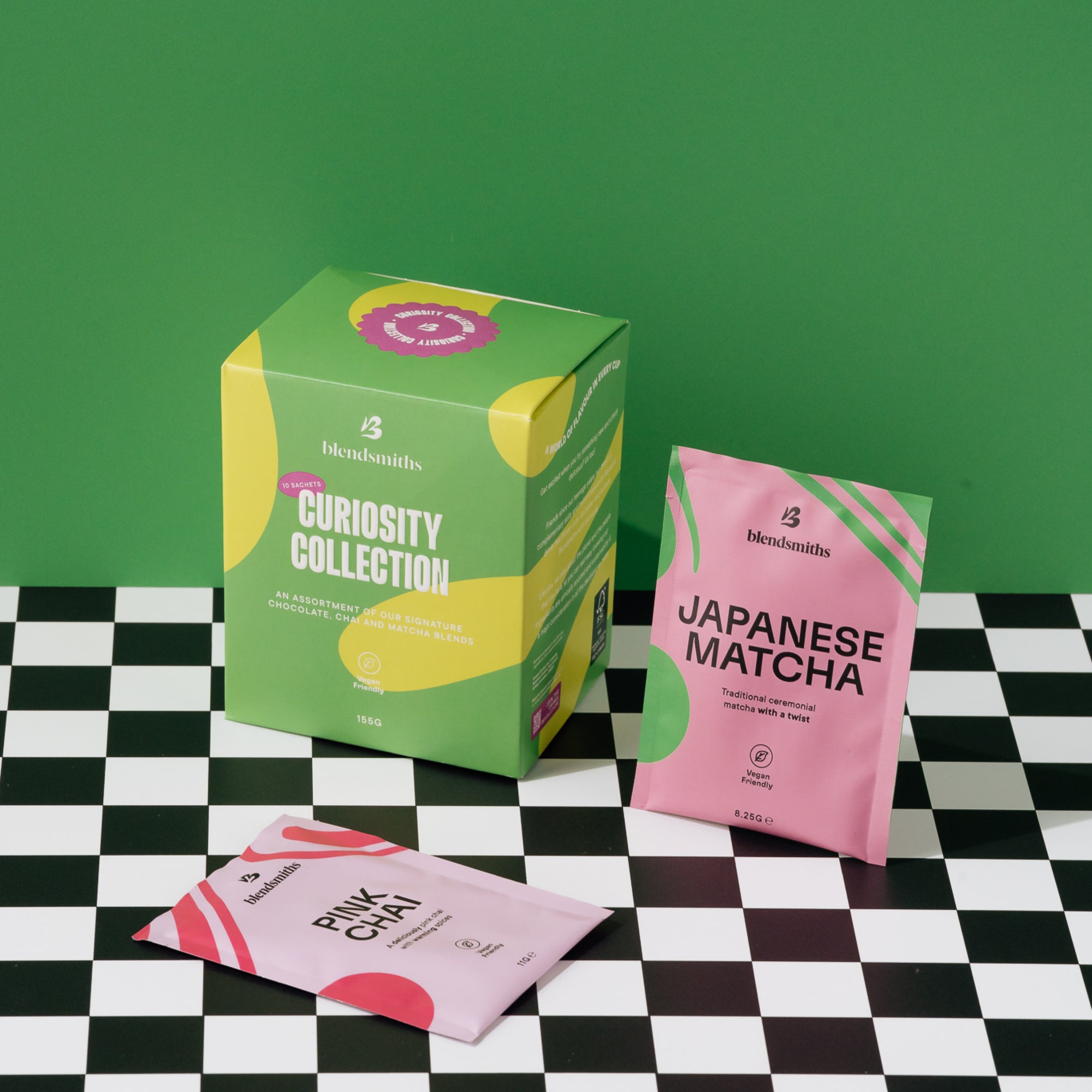
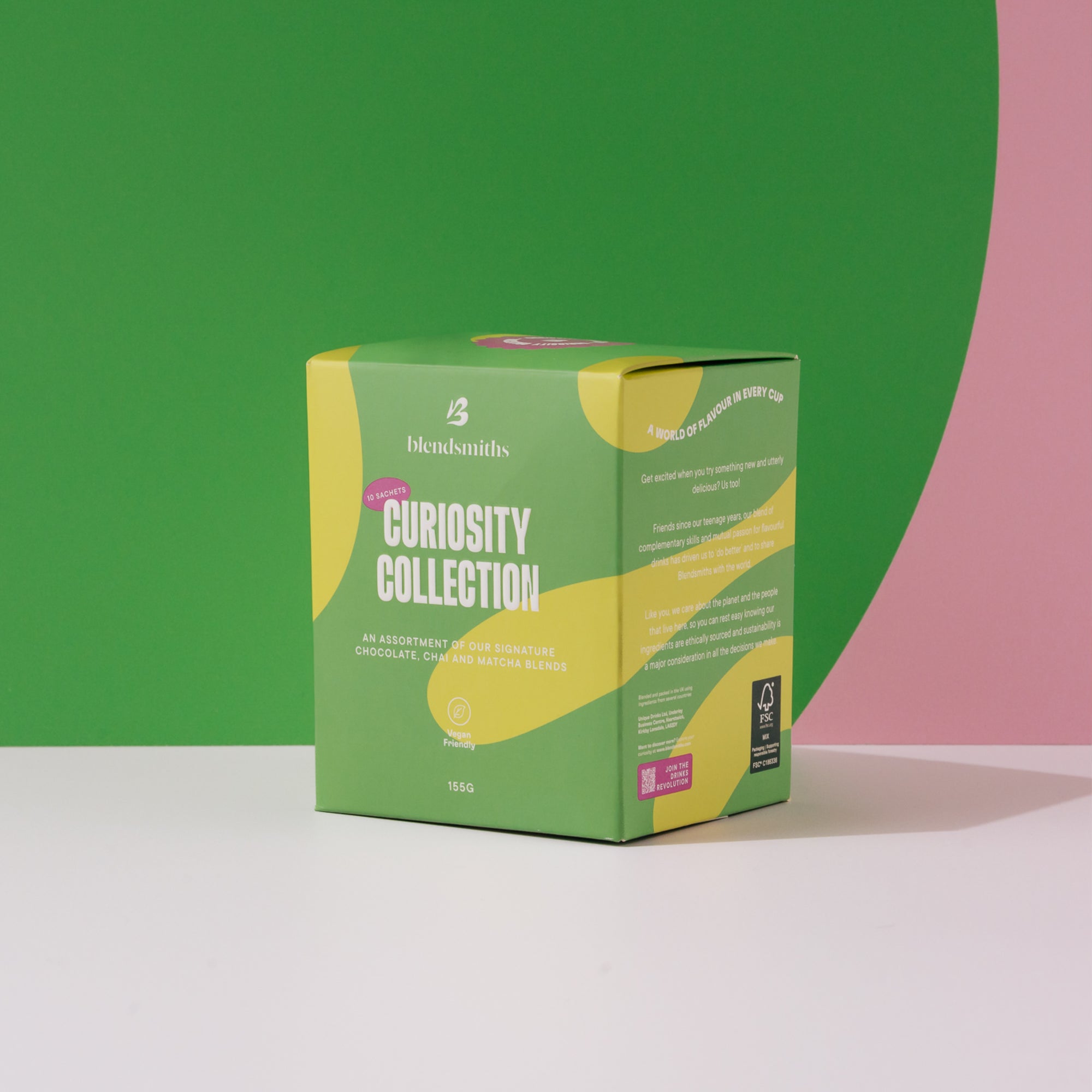
Not sure where to start? The Curiosity Collection Box lets you taste your way through the range.
If you love the true taste of matcha, go pure. Our pure teas are 100% tea with nothing added, so you get their full character and choose how to drink and sweeten them. If you're new to matcha or prefer something smoother and sweeter, start with a blend. They're balanced with coconut sugar and flavours like vanilla and cinnamon, so they're easy to make and easy to love. Many people start with a blend and work their way up to pure.
Both start as Japanese green tea. Matcha is shade-grown and stone-ground, giving it a vibrant green colour and fresh, umami flavour. Hojicha is roasted before grinding, which turns it a warm brown and gives it a toasty, nutty taste with less caffeine and bitterness.
With a blend: Mix 8.25g (Japanese or Vanilla Matcha) or 10g (Hojicha Blend) into 227ml of milk, then heat and stir until smooth. You don't need any special kit.
With pure matcha: Whisk 3g of Wakaba with 50ml of water at 70°C until smooth, micro-foam. then top with steamed milk or pour over ice.
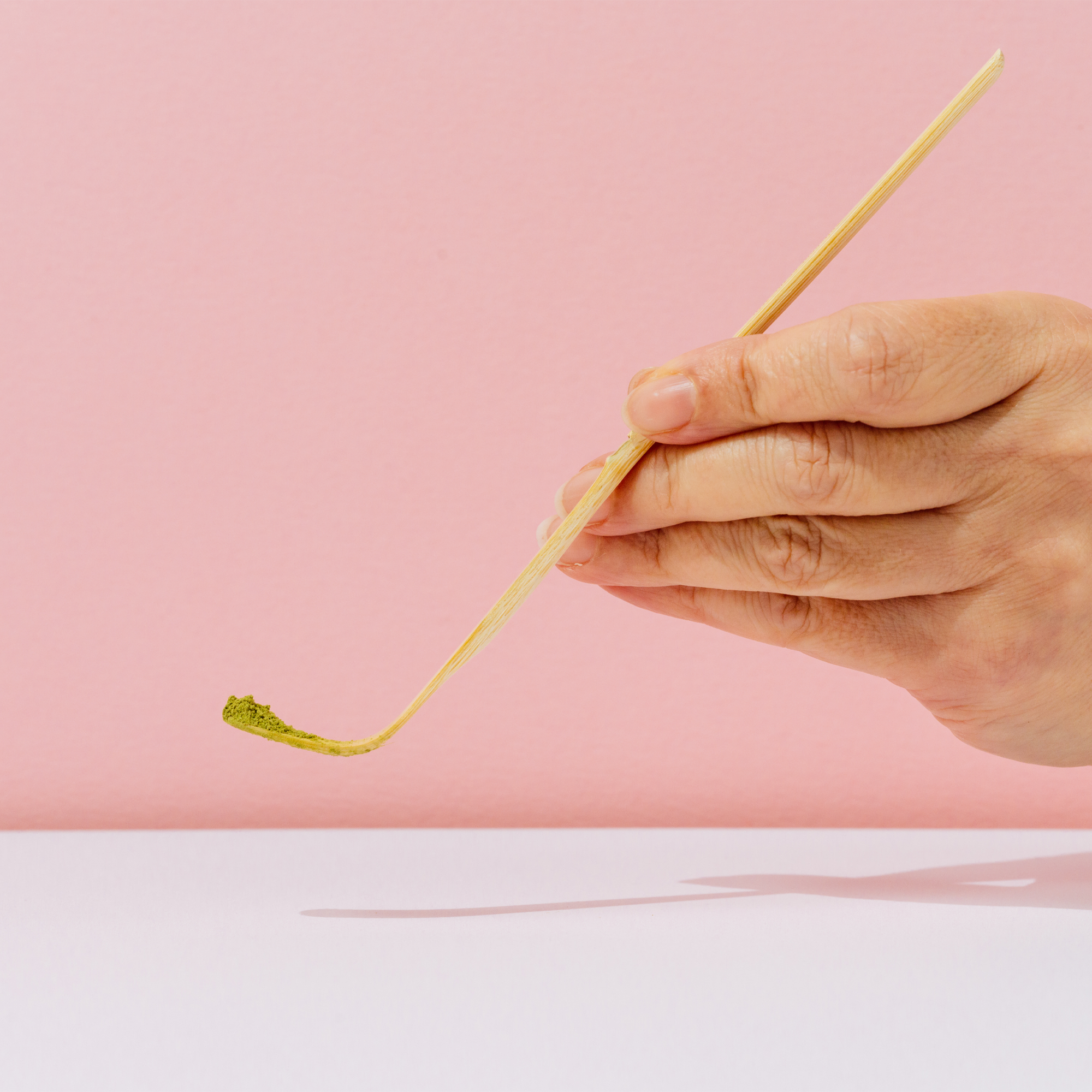
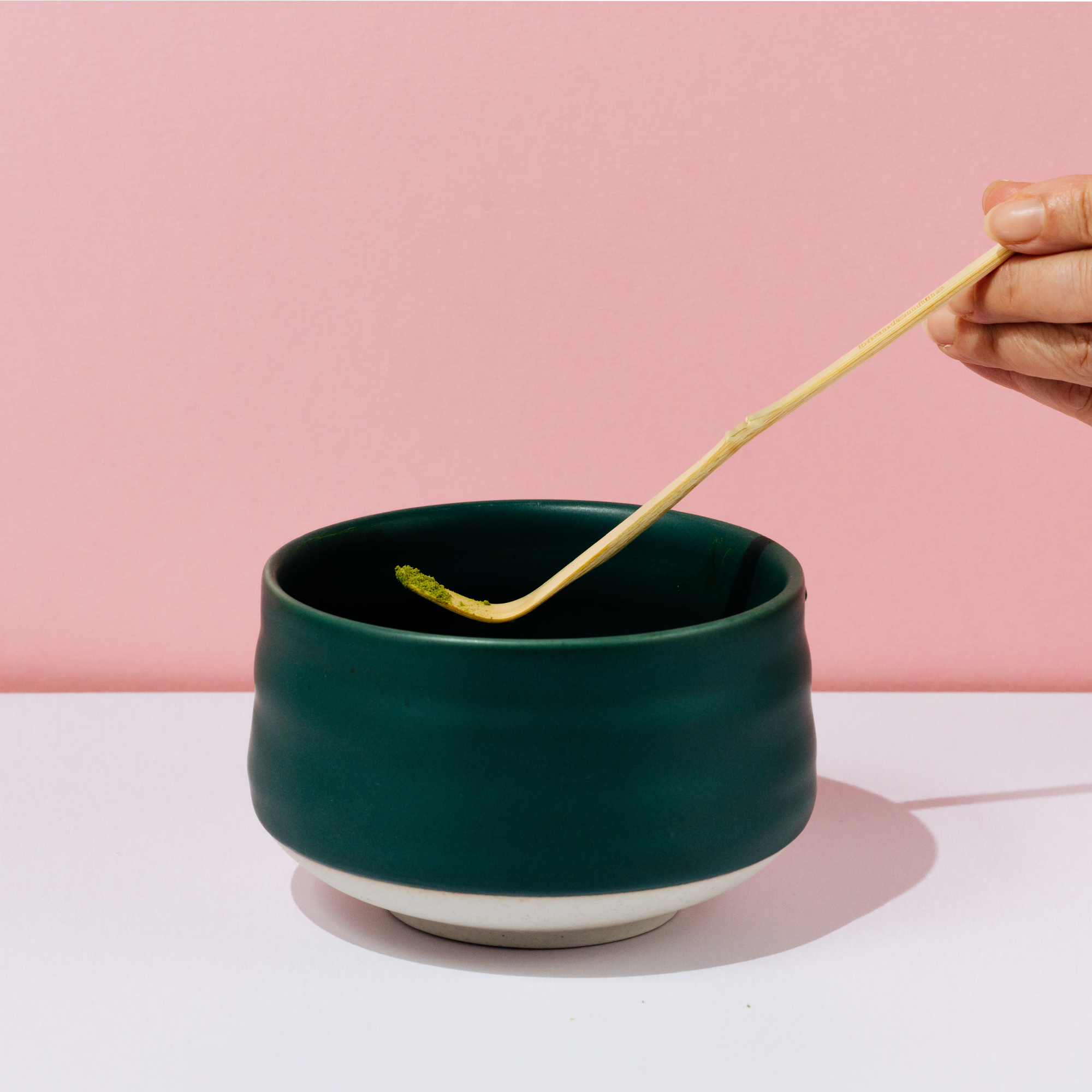
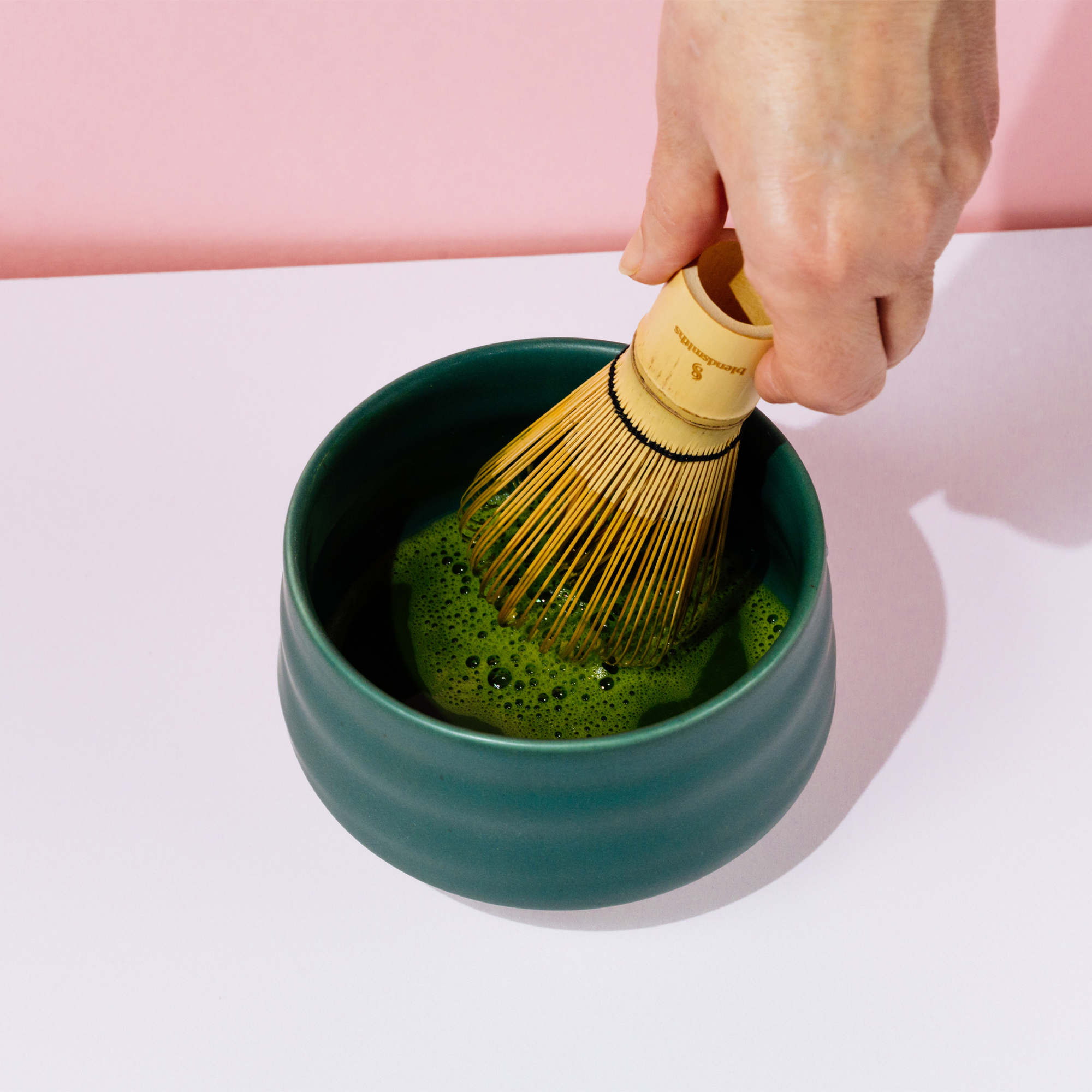
For traditional matcha: Sieve 2g of Ichibancha into a warm bowl, then whisk with 15ml of 70°C water to make a paste. Add another 55ml and whisk until smooth and foamy.
Boiling water can scorch matcha and make it taste bitter. Around 70°C keeps it smooth and sweet. If you don't have a temperature kettle, let a boiled kettle stand for a few minutes.
You don't need one for our blends; a spoon or milk frother does the job.
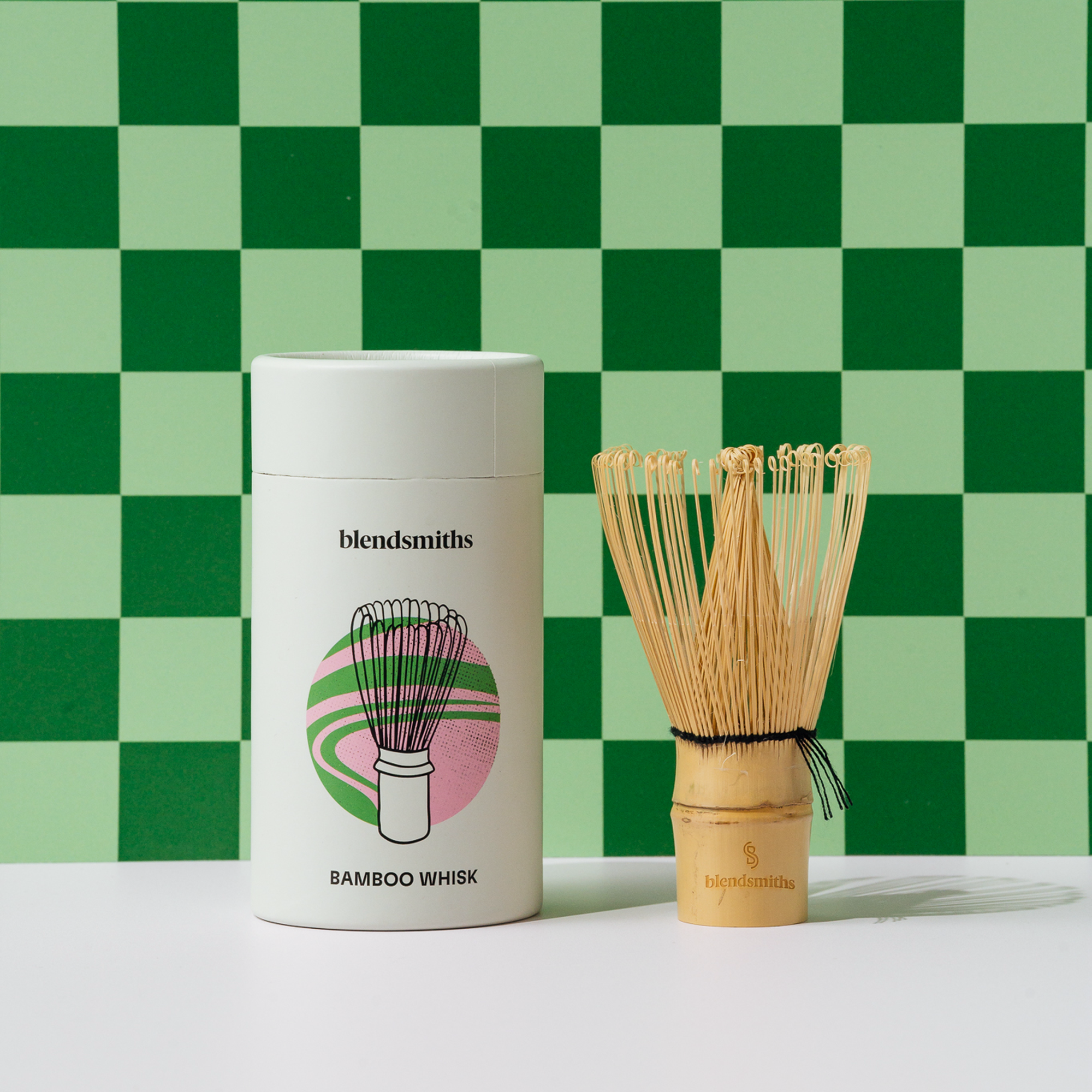
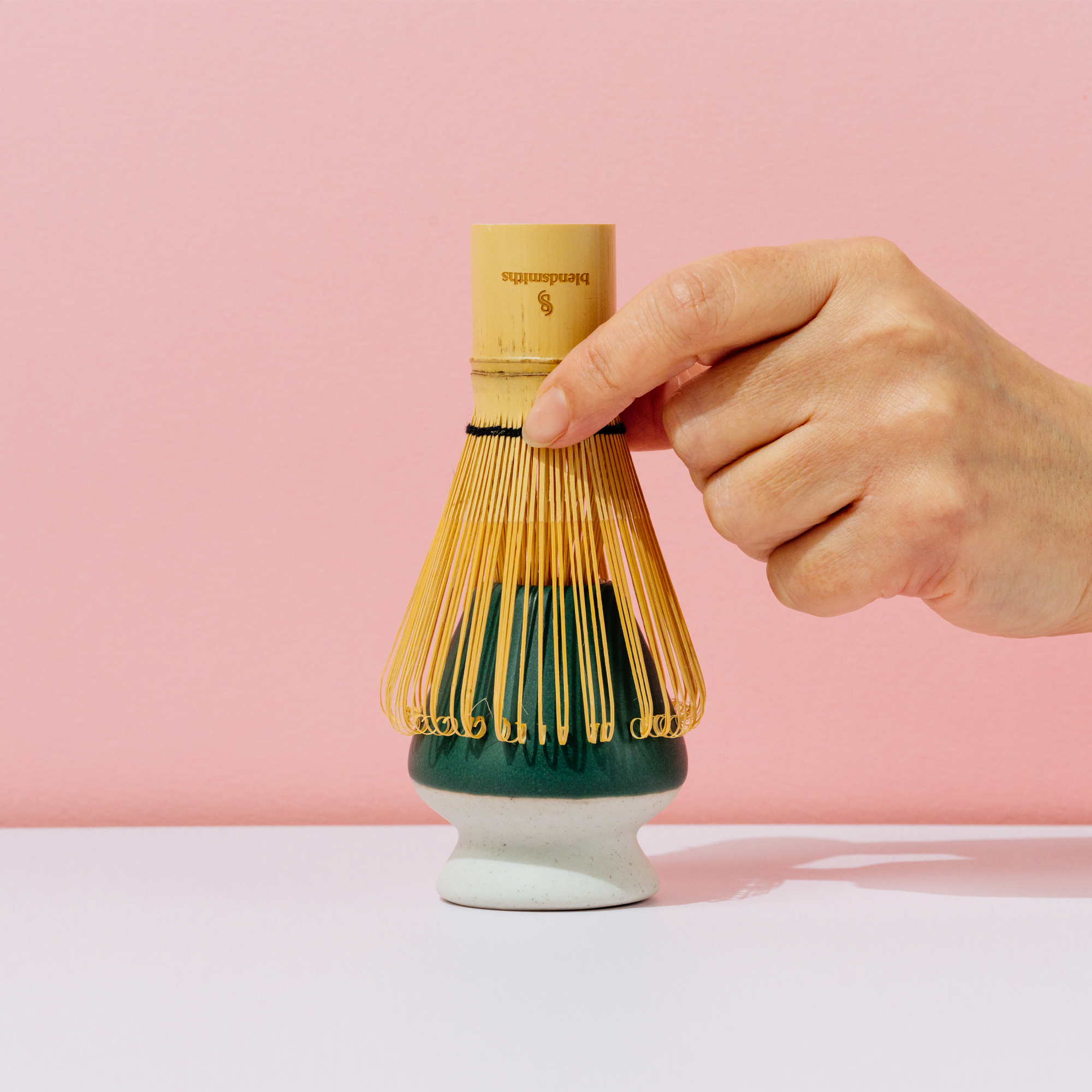
For pure matcha, a bamboo whisk (chasen) gives you the smoothest, frothiest result, and you'll find one in our accessories.
Matcha contains caffeine, but it also naturally contains L-theanine, an amino acid found in tea. Together, they can give matcha a smoother, more sustained feeling of alertness compared with the sharper lift some people experience from coffee. If you'd like something even gentler for the afternoon or evening, hojicha is naturally lower in caffeine.
Try Wakaba with strawberry, mango or pistachio, and Vanilla Matcha with rhubarb, cherry or blackberry. Hojicha pairs well with maple, pecan or dark chocolate, and Ichibancha is lovely as a spritz alongside yuzu or red berries.