

What Does Cocoa Percentage Mean?
Cocoa percentage refers to the amount of the cocoa bean present in a chocolate product, including cocoa solids and cocoa butter. It indicates how much of the flavour, texture and character of the chocolate comes from cocoa itself, helping you understand what to expect from the drink before you try it.
If you've ever turned a bag of drinking chocolate over and clocked a percentage on the label, you might have wondered what it's really telling you. The higher the percentage, the more influence cocoa has on the overall flavour profile, while lower percentages often allow sweetness and creaminess to take centre stage.
Why Does Cocoa Percentage Matter in Drinking Chocolate?
A lot of mass-market drinking chocolates don't list a cocoa percentage, and that tends to be revealing. When cocoa content is low, sugar often steps in to do the heavy lifting, masking the fact that there isn't much actual chocolate going on.
The percentage is, among other things, a signal of how honest and transparent a product is about what's inside.
Beyond that, cocoa percentage shapes the full sensory experience. It affects intensity, texture, how much sweetness is needed to bring balance, and even the nutritional profile.
All Blendsmiths chocolates use high-fat cocoa, sourced from West Africa. High-fat content cocoa carries more of the bean's natural flavour compounds and is responsible for that smooth, velvety texture that cheaper powders loaded with emulsifiers can't replicate.
👉 Explore Our Chocolate Range
White Choc (20% Cacao Butter)
White chocolate is the outlier. It contains no cocoa solids, which is why some purists refuse to call it chocolate at all. But it does contain cacao butter, the edible fat from the cocoa bean, and that's where its character comes from. The percentage here refers entirely to that butter content.
Our White Chocolate uses Peruvian cacao butter, known for its naturally complex flavour and high fat content. Paired with coconut milk powder, vanilla, and coconut sugar, it's the sweetest and most dessert-like cup in the range, but it never gets cloying. The coconut milk keeps it light, and there's a gentle coconutty finish that makes it feel a little unexpected for a white chocolate.
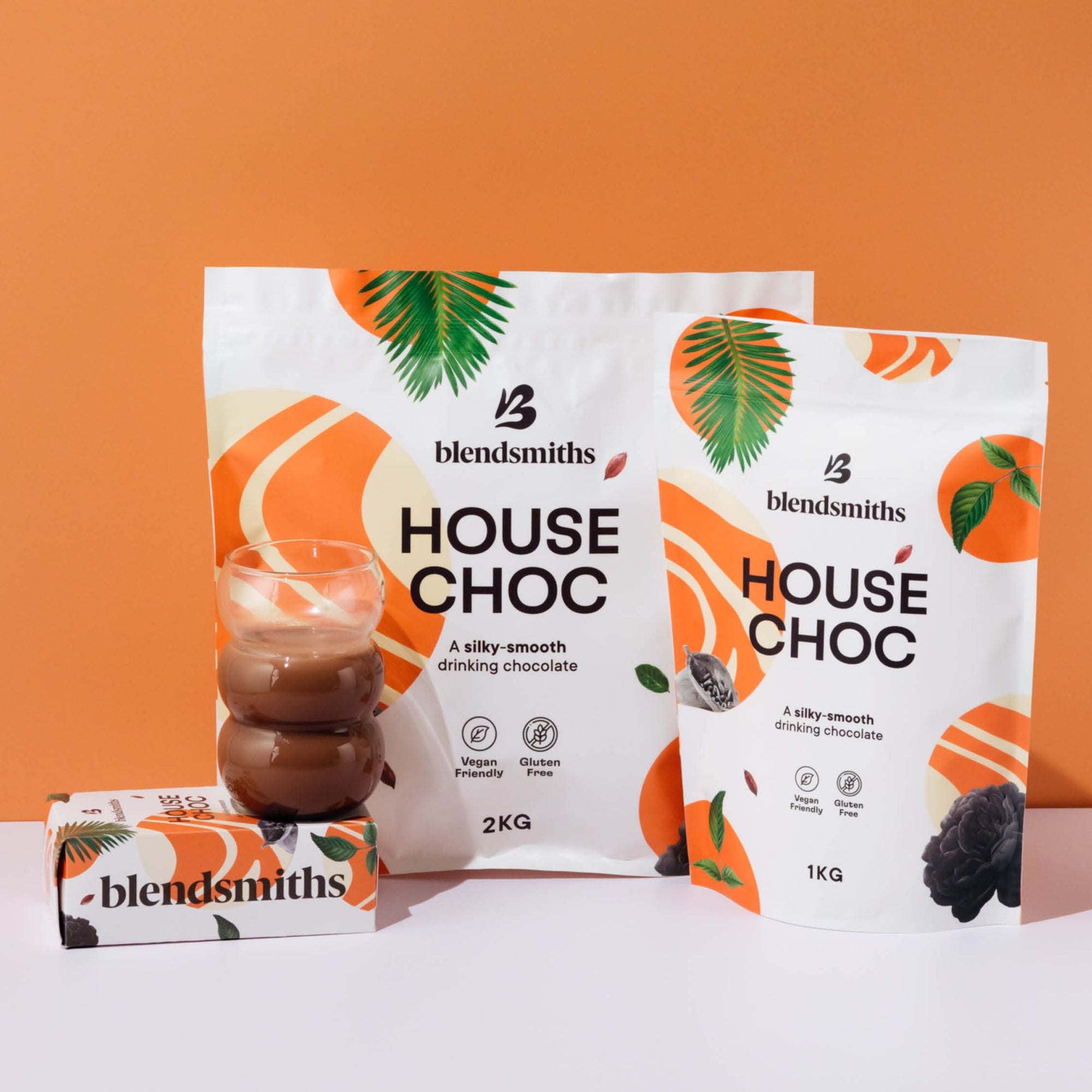
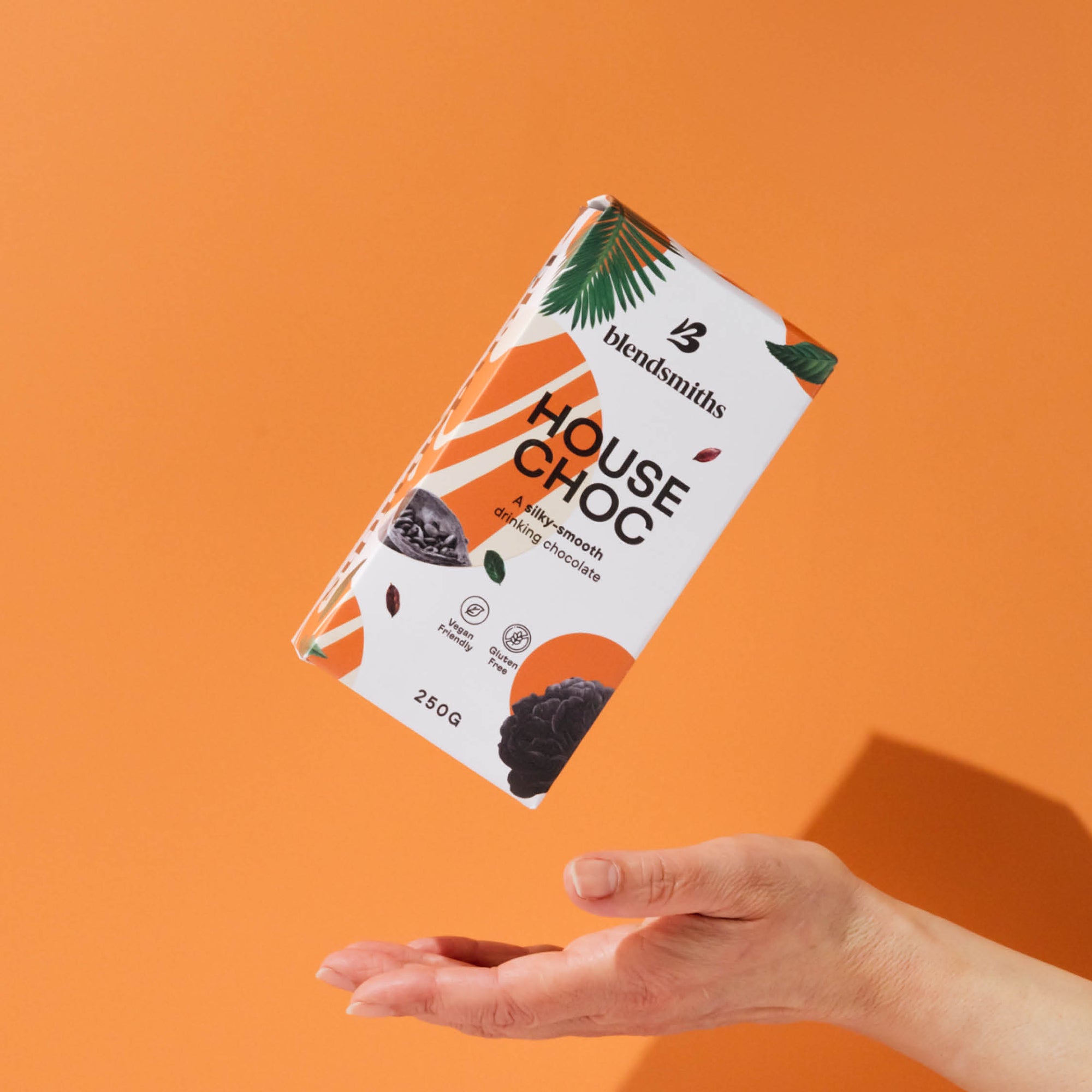
House Choc (30% Cocoa)
The one that earns its place as an everyday. The kind of hot chocolate you wished came out of that supermarket tin.
At 30%, this is the most approachable blend in the range, built from Ivory Coast cocoa balanced with white granulated sugar and Himalayan pink salt. The salt is doing more than you'd expect. It sharpens the sweetness, deepens the chocolate flavour, and gives the whole cup a round, moreish quality. Familiar but not boring.
Chilli Choc (31% Cocoa)
Familiar at first, but then something shifts. We use Guntur chilli from India, one of the most celebrated chilli varieties in the world, ranging from 30,000 to 350,000 on the Scoville scale.
What makes it interesting in drinking chocolate is how it behaves alongside cocoa. The sweetness moderates the heat, keeping it from tipping into uncomfortable. The cocoa's natural bitterness does something else entirely; it amplifies the chilli's complexity, adding a layer of umami and depth that hits the palate in waves.
Sweet, bitter, warming, and a little bit electric. An interesting cup, especially if you like flavour that keeps going after the sip.

Salted Chocolate (33% Cocoa)
Right in the middle of the range, and exactly where things get interesting. At 33%, the cocoa has real depth and body, enough to hold its own against a salt with genuine character.
That salt is Scottish Blackthorn, made on the west coast of Scotland using Atlantic seawater and the only traditional thorn tower method still in use anywhere in the world. Slow, traditional, and completely unhurried.
The result is a clean, mineral saltiness that doesn't compete with the cocoa so much as reveals it, lifting the natural sweetness and adding a savoury edge. Smooth, but with intent.
Read more about the story behind Blackthorn Sea Salt
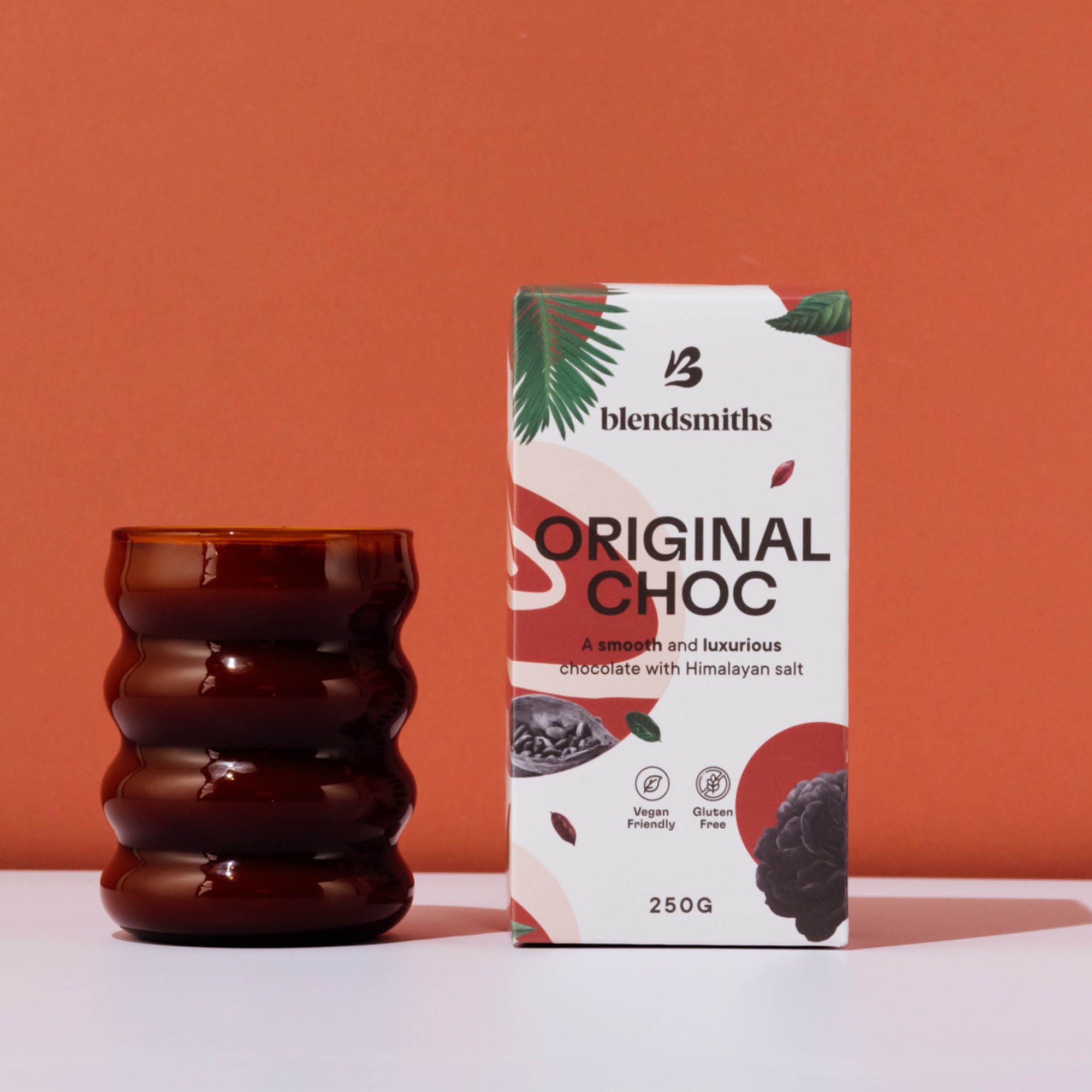
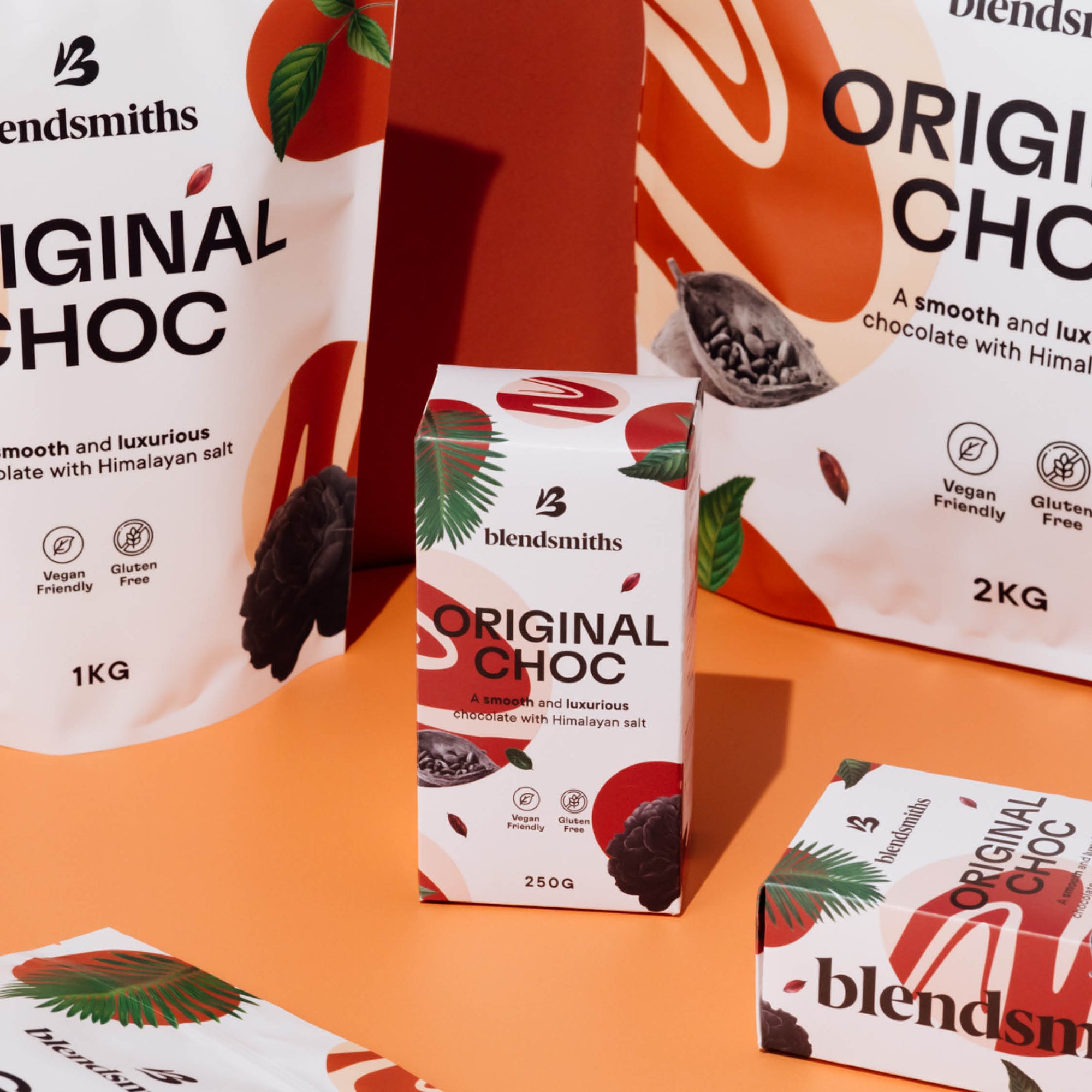
Original Choc (35% Cocoa)
A subtle but meaningful step up. The shift from white sugar to coconut sugar here changes the character of the drink.
Coconut sugar brings a gentle caramel note that doesn't compete with the cocoa, it just lets it breathe a little more. The result is a fuller, more layered flavour with a creamy finish. The sweet spot for anyone who wants something with a bit more to say.
Dark Choc (46% Cocoa)
At 46%, this is where the cocoa bean does most of the talking. Ivory Coast cocoa at this level has a full, deep flavour with dark fruit notes and a roasted aroma that lingers in a good way.
Coconut sugar provides just enough sweetness to keep it drinkable rather than austere. It's also the least sweet and most fibre-rich cup in the range. Not a subtle drink, and that's entirely the point.
Does Higher Cocoa Percentage Mean Better Chocolate?
A higher cocoa percentage doesn’t automatically mean better chocolate. It means more of the cocoa bean is present, which can create a deeper, richer flavour. But the best chocolate comes down to balance, quality of ingredients and personal preference.
Cocoa percentage is a starting point, not the whole story. It helps you understand what’s in your cup, how intense the chocolate flavour may be, and how the cocoa works alongside the other ingredients.
Across the Blendsmiths range, cocoa percentages range from 20% in our White Choc to 46% in our Dark Choc. Each percentage tells part of the story, helping shape the flavour, intensity and overall experience of each cup. It’s not about chasing the highest number, it’s about understanding what’s in your cup and finding the chocolate that feels right for you.
👉 Can't decide? Try them all with our Cocoa Collection Box